
PELICE 2026 in Atlanta: Industry Leaders, Big Investments, And A Clear Path Forward
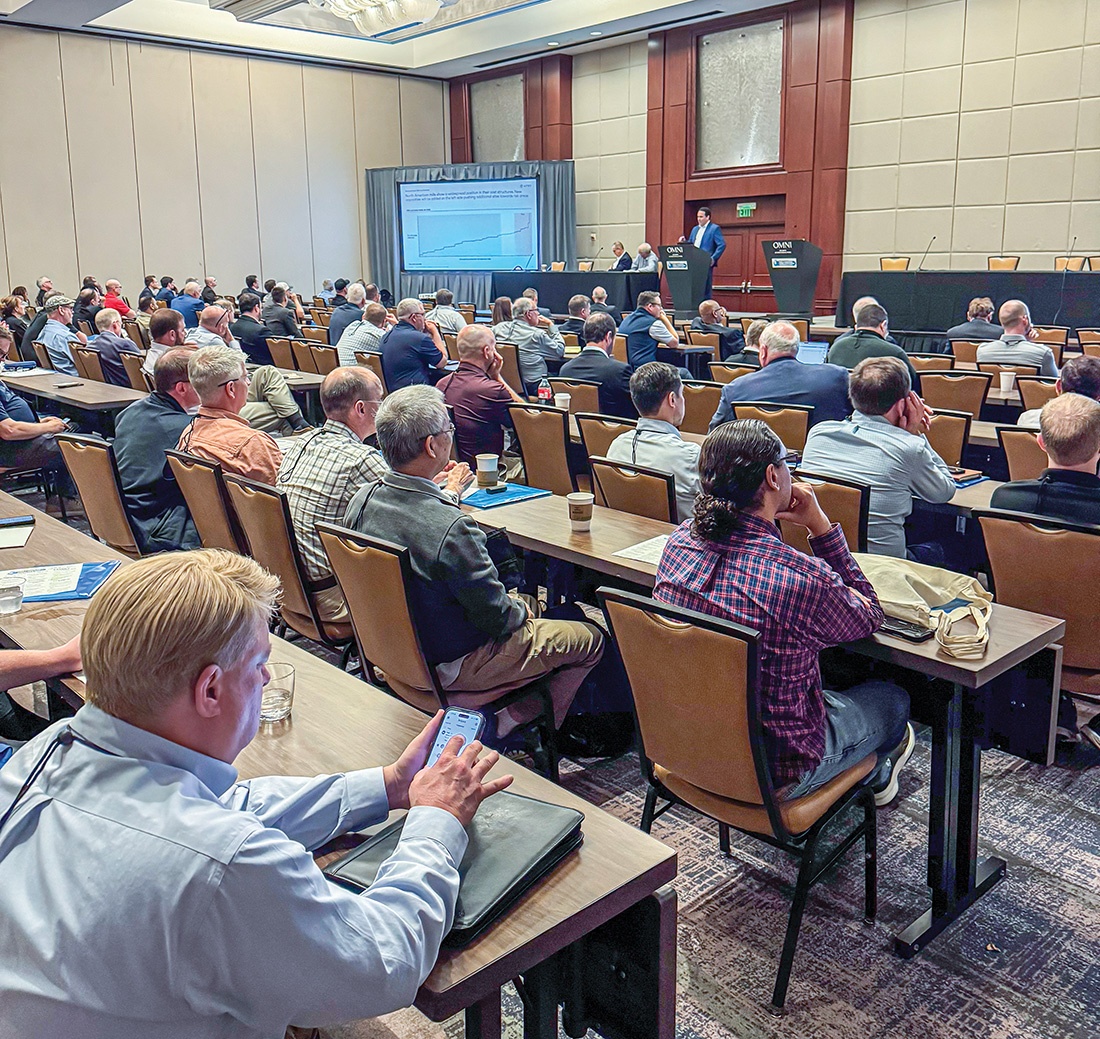 The 10th Panel & Engineered Lumber International Conference & Expo (PELICE) lived up to its reputation as a can’t-miss industry event, bringing 470 attendees, 95 exhibitors, and 41 speakers to Omni Atlanta Hotel at Centennial Park on April 16–17.
Co-hosted by Panel World and Georgia Research Institute, the biennial conference—first launched in 2008—offers a timely pulse check on the panel and engineered lumber industries. The 2026 edition reinforced that role, delivering a mix of market realism, strategic clarity, and forward-looking optimism.
PELICE’s milestone 10th event carried added significance, including recognition of 18 exhibitor companies that have participated in all 10 conferences. Co-Chairmen Rich Donnell and Fred Kurpiel reflected on the event’s origins, with Kurpiel credited for first envisioning the conference and partnering with Panel World nearly two decades ago.
The audience included representatives from 25 producer companies, with executive leadership on hand to address a rapidly evolving business environment.
Leadership Perspectives: Strategy, Culture, and Discipline
Georgia-Pacific: Building Value Through People
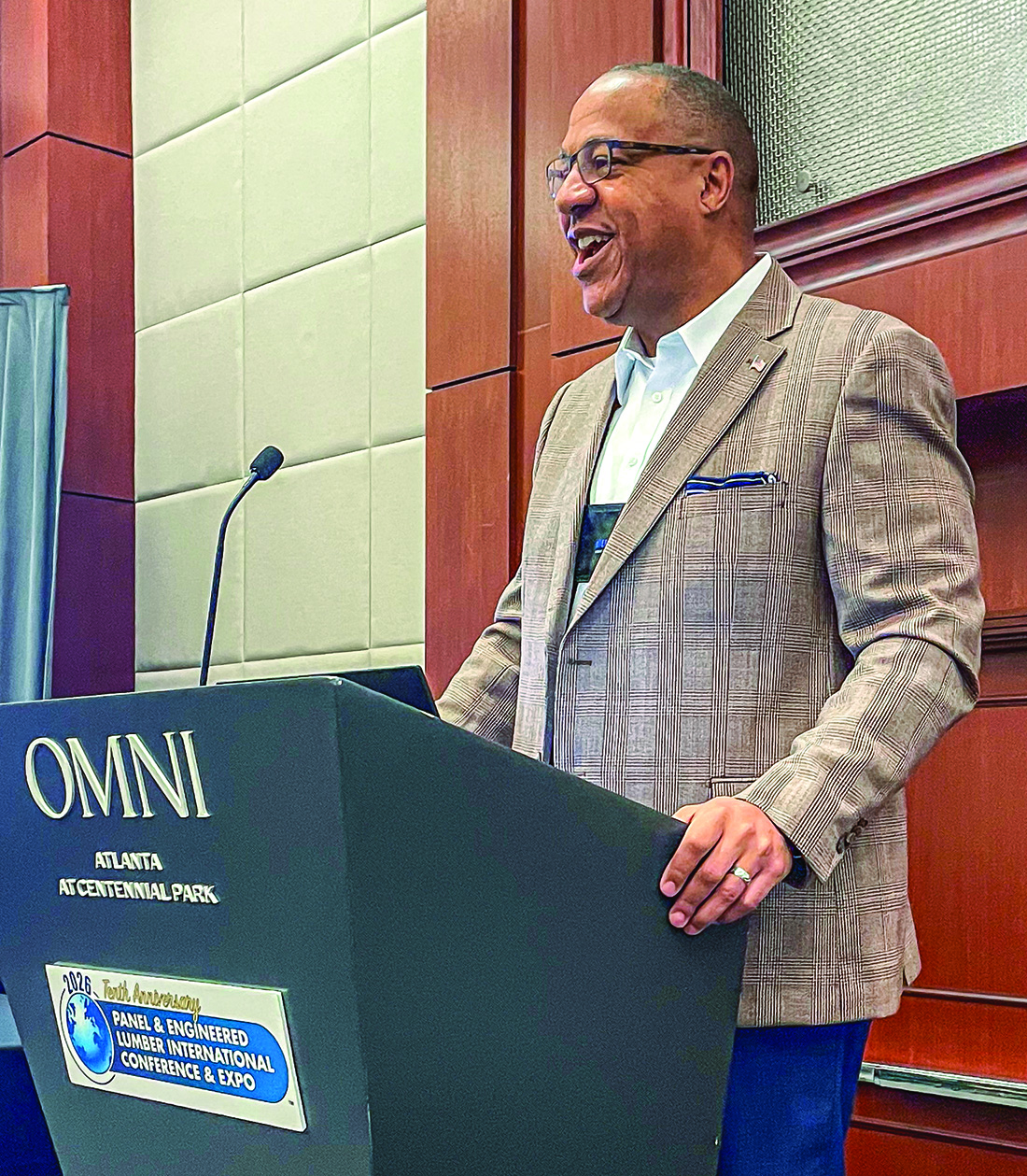 David Neal, Executive Vice President of Building Products, Georgia-Pacific, opened with a message centered on culture and long-term value creation.
Neal emphasized the company’s “Principle Based Management” framework, rooted in stewardship and human progress, noting the importance of internal development and external relationships: “Building relationships and trust” remains fundamental to both business success and community impact.
He highlighted employees who rose through the organization, reinforcing how long-term investment in people translates into stronger partnerships and evolving customer solutions.
Boise Cascade: Staying Focused in a Volatile Market
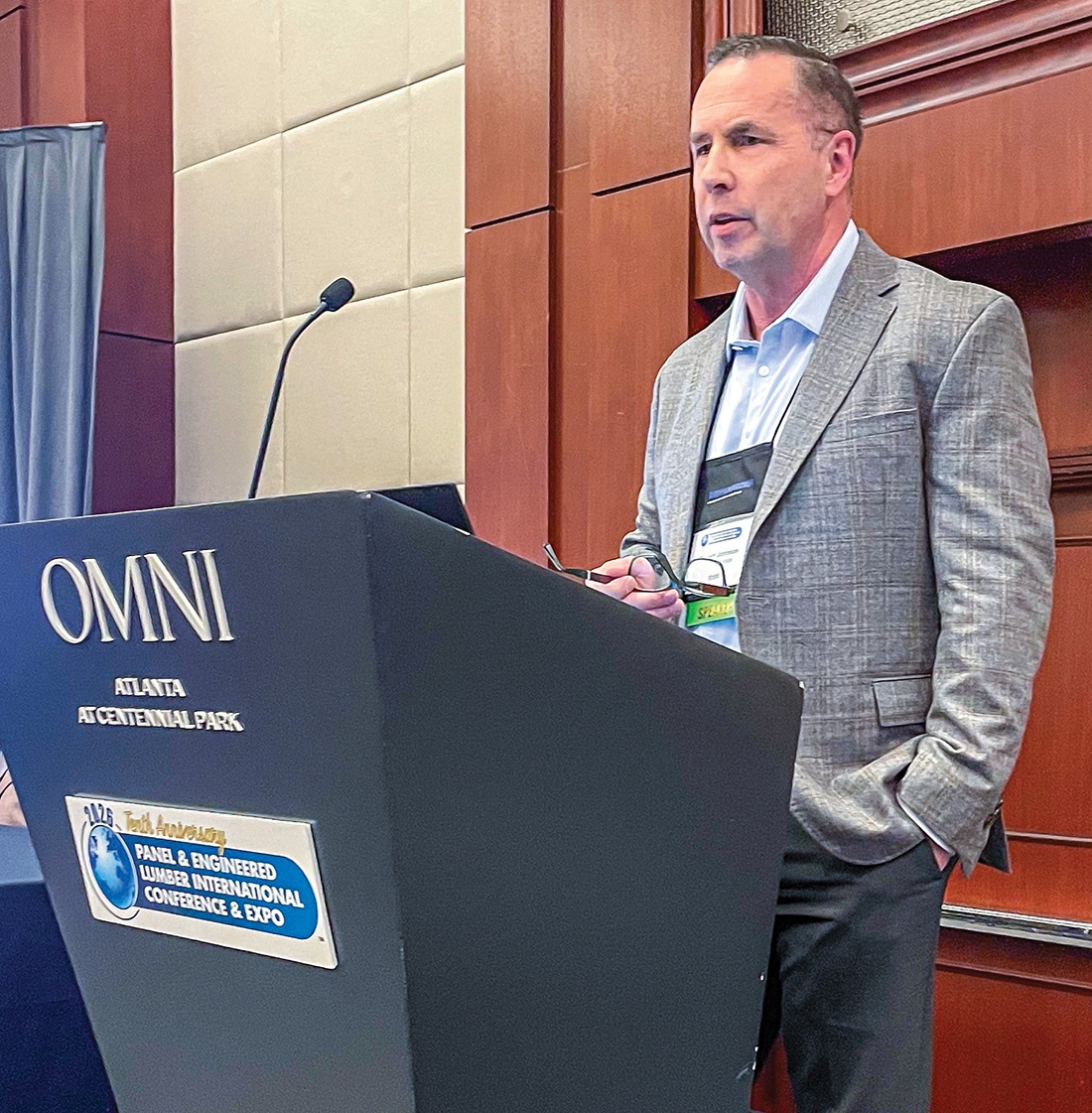 Rob Johnson, Senior Vice President of Manufacturing Operations at Boise Cascade, addressed the company’s evolution into one of North America’s largest producers of engineered wood products.
Despite market pressures, Boise has resisted broad diversification, instead leaning into its core strengths: “We are an EWP-focused business. We consider plywood a byproduct of strength-rated veneer production.”
Johnson also pointed to the company’s integrated distribution model as a stabilizing force, helping smooth financial performance across fluctuating markets.
Roseburg: Billion-Dollar Investments, Tight Execution
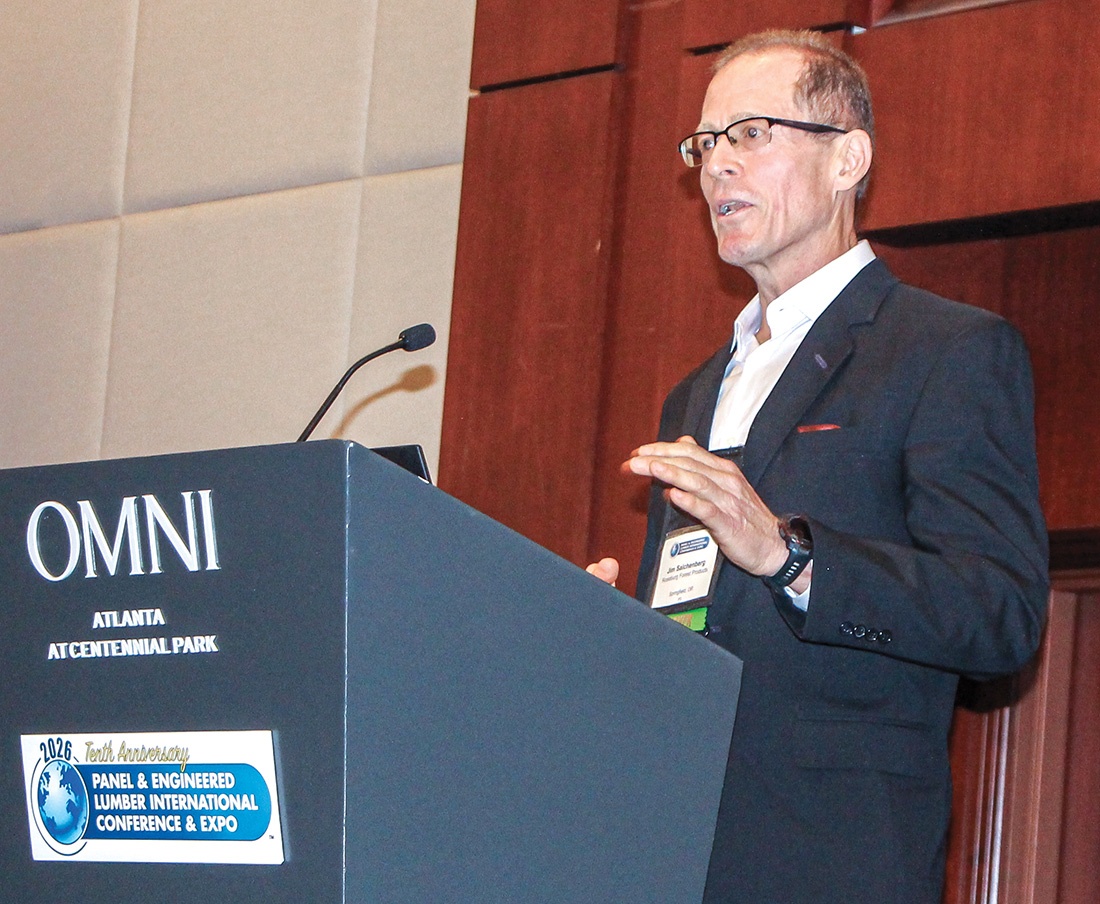 Fresh off announcing the restart of construction on a new medium-density fiberboard (MDF) facility in Oregon, Jim Salchenberg of Roseburg detailed a sweeping capital investment strategy.
From 2021–2024, the company approved more than 400 projects totaling $1.1 billion, delivering them within 3% of budget despite post-pandemic challenges.
Salchenberg distilled that success into three principles: “Own the budget… protect the scope relentlessly… and never accept ‘it takes what it takes, and it costs what it costs.’”
Engineered Wood: A Structural Shift, Not a Cycle
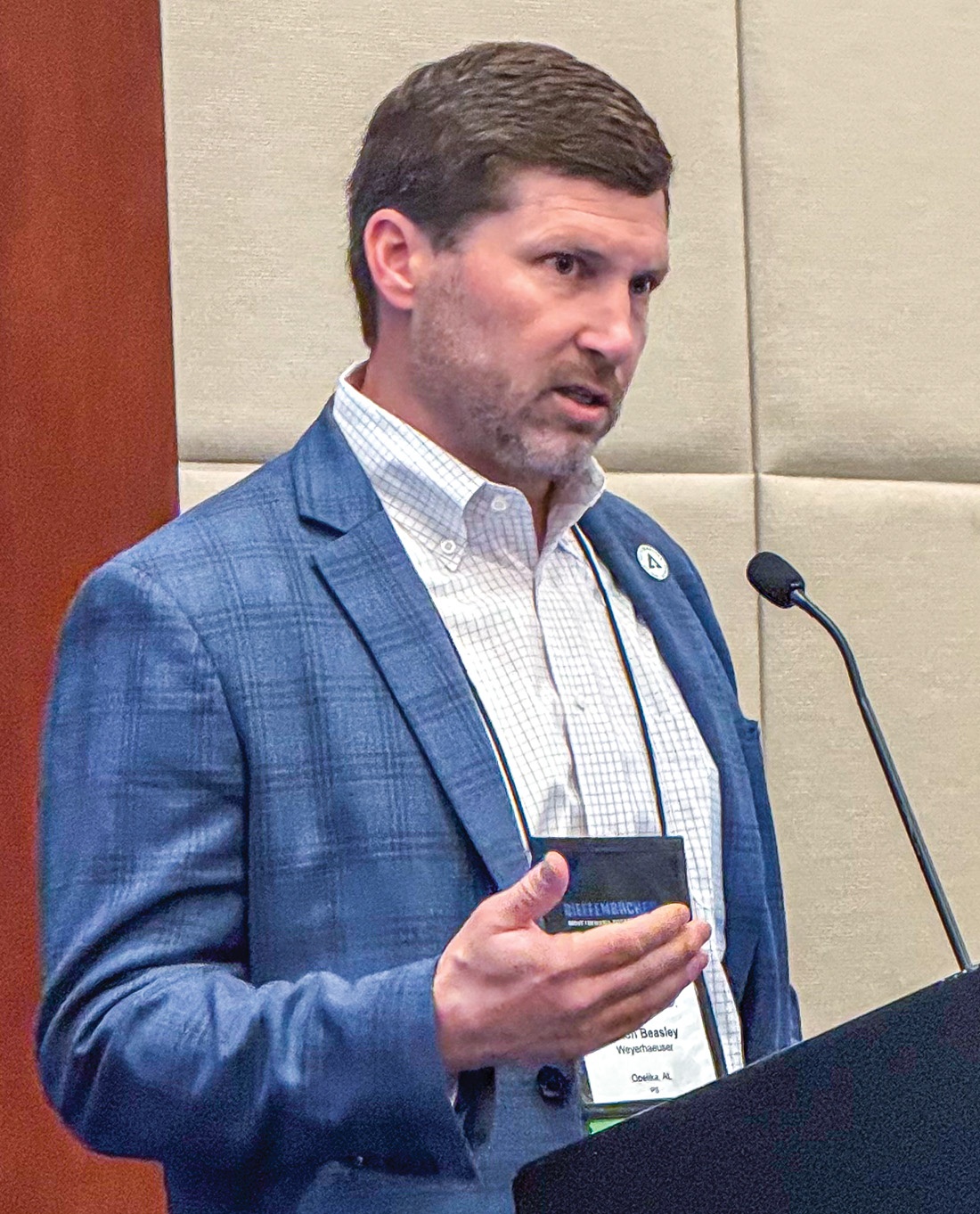 One of the clearest themes at PELICE 2026 was the accelerating role of engineered wood products (EWP).
Lofton Beasley of Weyerhaeuser framed the shift in unmistakable terms: “These forces are structural, not cyclical.”
He pointed to long-term changes in construction, including labor shortages, demand for speed and predictability, and increasing reliance on prefabricated systems. These trends are driving adoption of engineered solutions that reduce variability and improve efficiency.
Beasley emphasized that EWP is central to long-term strategy. “The message is clear: EWP is not peripheral. It is a central mechanism for translating timberland strength into durable, higher-return growth.”
Weyerhaeuser is backing that strategy with capacity expansion, including a new TimberStrand facility designed to convert lower-quality logs into higher-value products.
Housing Market Reality: Short-Term Pressure, Long-Term Opportunity
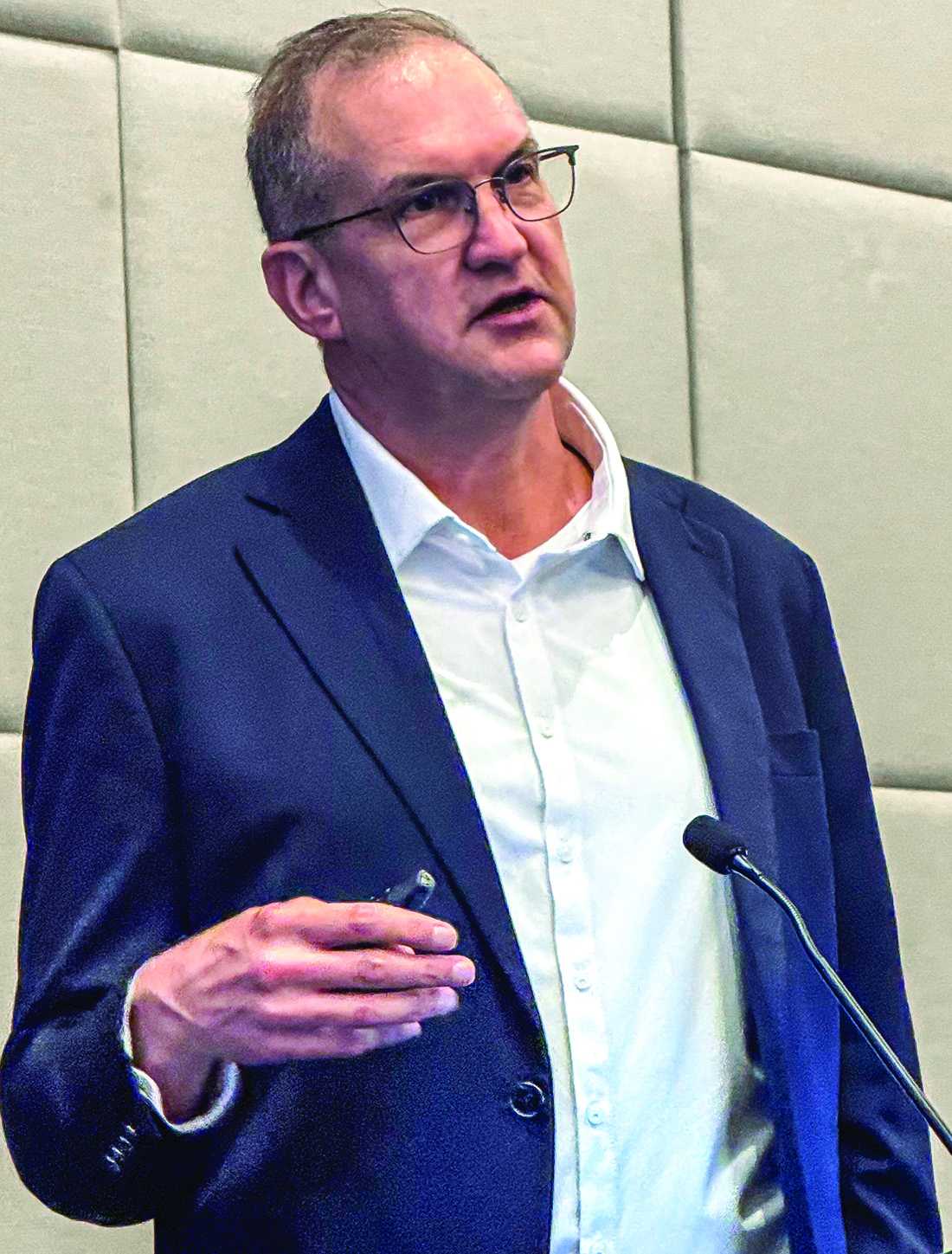 Market analysis from Chris Beard of John Burns Research and Consulting provided a grounded look at demand drivers.
“New construction is the near-term drag,” Beard said, pointing to elevated housing inventory and slower starts. However, the broader picture is more nuanced.
With the median U.S. home now 44 years old, aging housing stock is fueling a surge in repair and remodeling activity—now rivaling new construction in total spending.
Beard highlighted several tailwinds, including rising home equity levels, larger tax refunds supporting renovation spending, and increasing frequency of disaster-related repairs.
While new construction may soften in the near term, Beard said forecasts point to a rebound beginning in 2027.
Market Dynamics: Shifting Materials and Global Pressure
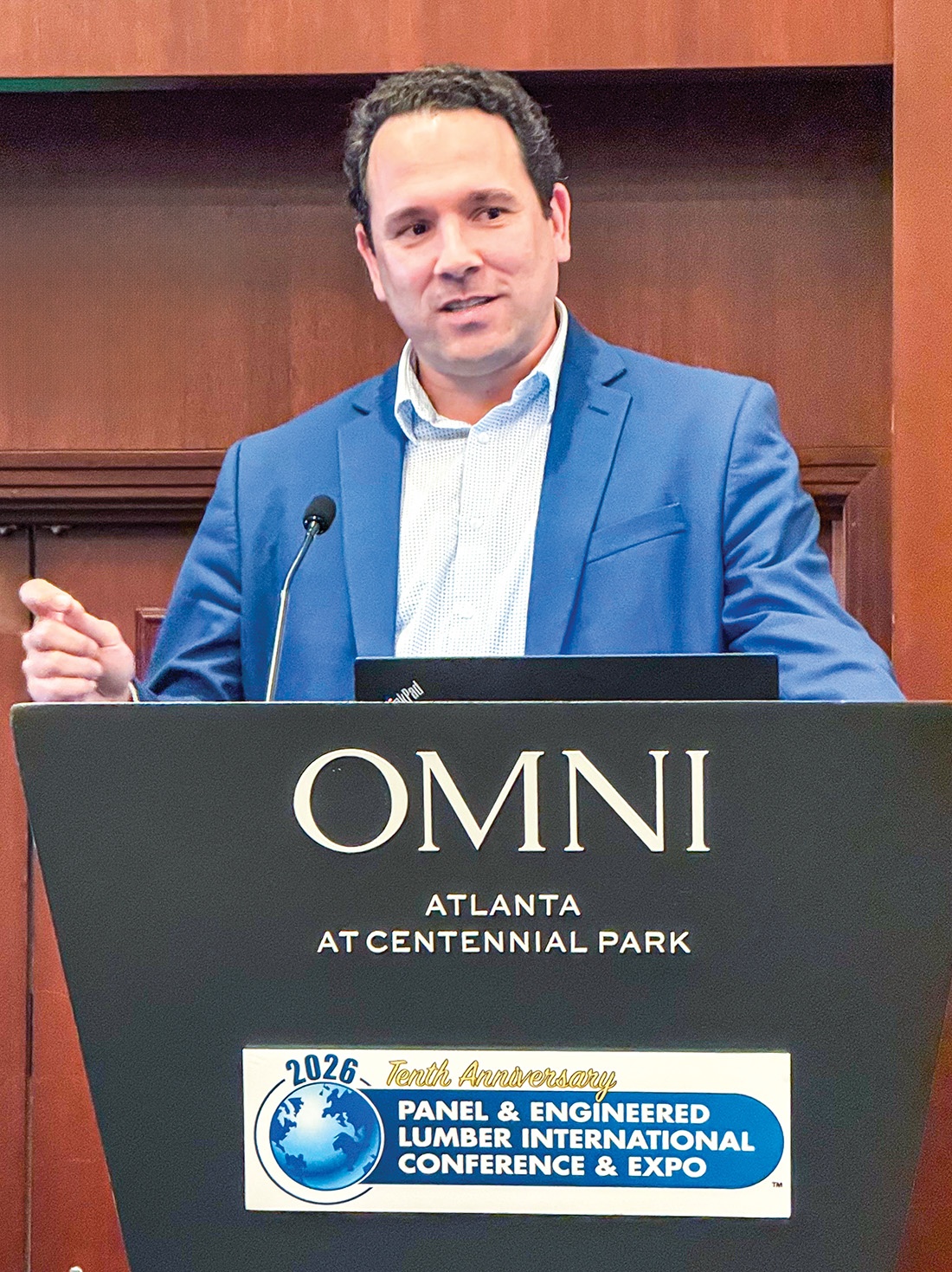 Guillermo Velarde of AFRY Management Consulting outlined broader structural changes across panel markets:
-
OSB continues to gain share due to cost and performance advantages
-
Plywood faces ongoing substitution pressure
-
Particleboard markets are tightening under competition from large-scale European producers
-
MDF investments are ramping up, with new capacity expected to compete more effectively with imports
AFRY’s recommendations focused on operational efficiency, supply chain optimization, and product diversification as key levers for future competitiveness.
In addition to keynote sessions, PELICE 2026 featured deep dives into:
-
Artificial Intelligence in manufacturing
-
Catastrophe and risk management
-
Wood fiber sourcing and optimization
-
Veneer and plywood production advances
-
Fire and safety technologies
-
Mass timber construction
-
Energy use and emissions reduction
Nearly two decades after its launch, PELICE continues to fulfill its original mission: Bringing the industry together to share knowledge, confront challenges, and identify opportunities.
The 2026 event made one thing clear, while markets may fluctuate, the industry is actively adapting through innovation, disciplined investment, and a sharpened strategic focus on engineered solutions.
As Lofton Beasley put it, the forces shaping the future aren’t temporary—they’re foundational.
And based on the energy in Atlanta, the industry is ready to meet them head-on.
Latest News
PELICE 2024 Continues To Light Up Scoreboard With New Presentations
Organizers of the ninth Panel & Engineered Lumber International Conference & Expo announced that attendee registration is open for the event, which will be held March 14-15, 2024 at the Omni Atlanta Hotel at Centennial…
Kronospan Completes Simsboro Particleboard Purchase
Kronospan, a producer of wood panel products, has announced the closing of its purchase of Roseburg’s Simsboro, La., particleboard facility following the expiration of the required regulatory review period. Ownership of the plant has been…
Hymmen’s Dr. Werner Pankoke Dies
Hymmen’s Dr. Werner Pankoke Dies Werner Pankoke, died at the age of 85 following a stroke. Born March 29, 1938 as the third child of Bielefeld, Germany dentist Dr. Wilhelm Pankoke, Werner decided not to…
Find Us On Social
Newsletter
The monthly Panel World Industry Newsletter reaches over 3,000 who represent primary panel production operations.
Subscribe/Renew
Panel World is delivered six times per year to North American and international professionals, who represent primary panel production operations. Subscriptions are FREE to qualified individuals.
Advertise
Complete the online form so we can direct you to the appropriate Sales Representative. Contact us today!